Mineral warmth beneath Budapest
Generations of bathers, architectural elegance, and restorative water culture enduring through changing eras.
Table of Contents
Origins of Budapest bath culture
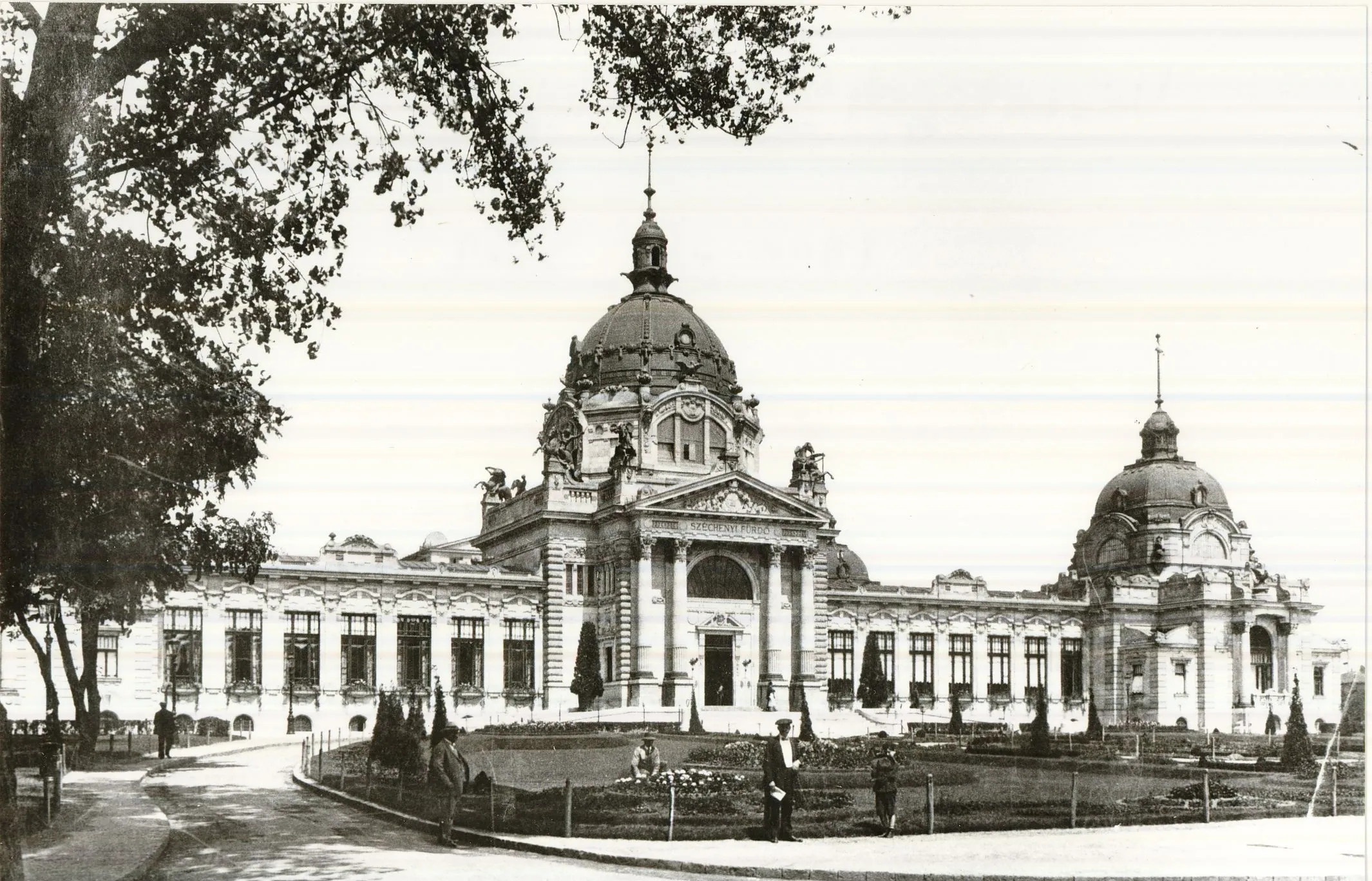
Budapest’s bathing heritage stretches back to Roman and Ottoman times—thermal waters long prized for relaxation and health.
Scientific analysis later confirmed mineral content beneficial for joints, circulation, and stress relief, cementing a civic spa identity.
Discovery of deep thermal springs
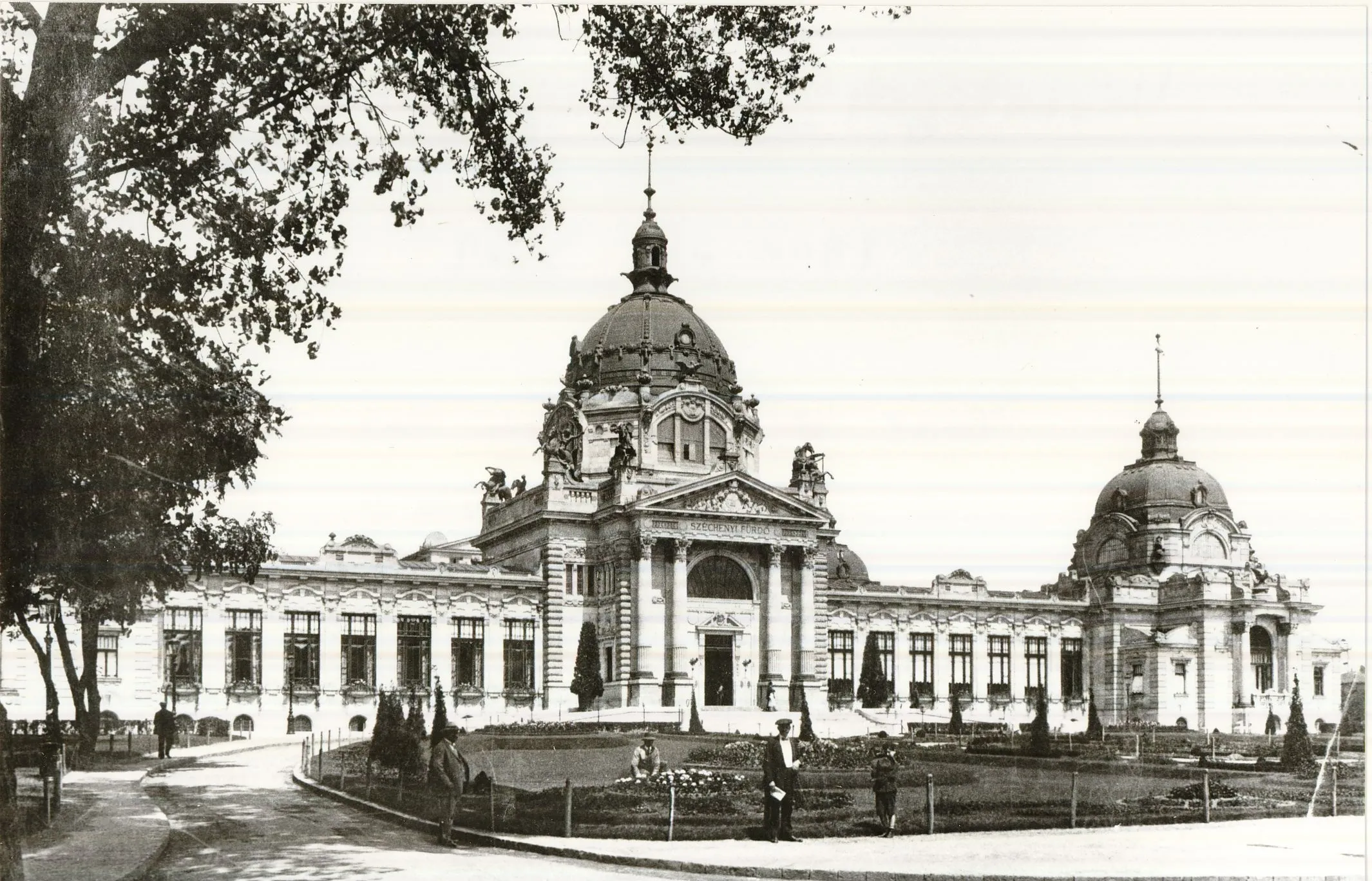
Early 20th century deep drilling tapped powerful thermal sources—warm, mineral-rich, consistent flow enabling large-scale bathing.
Reliable geothermal supply allowed Széchenyi to expand beyond modest pools into a grand, multi‑temperature complex.
Architecture & neo‑baroque design
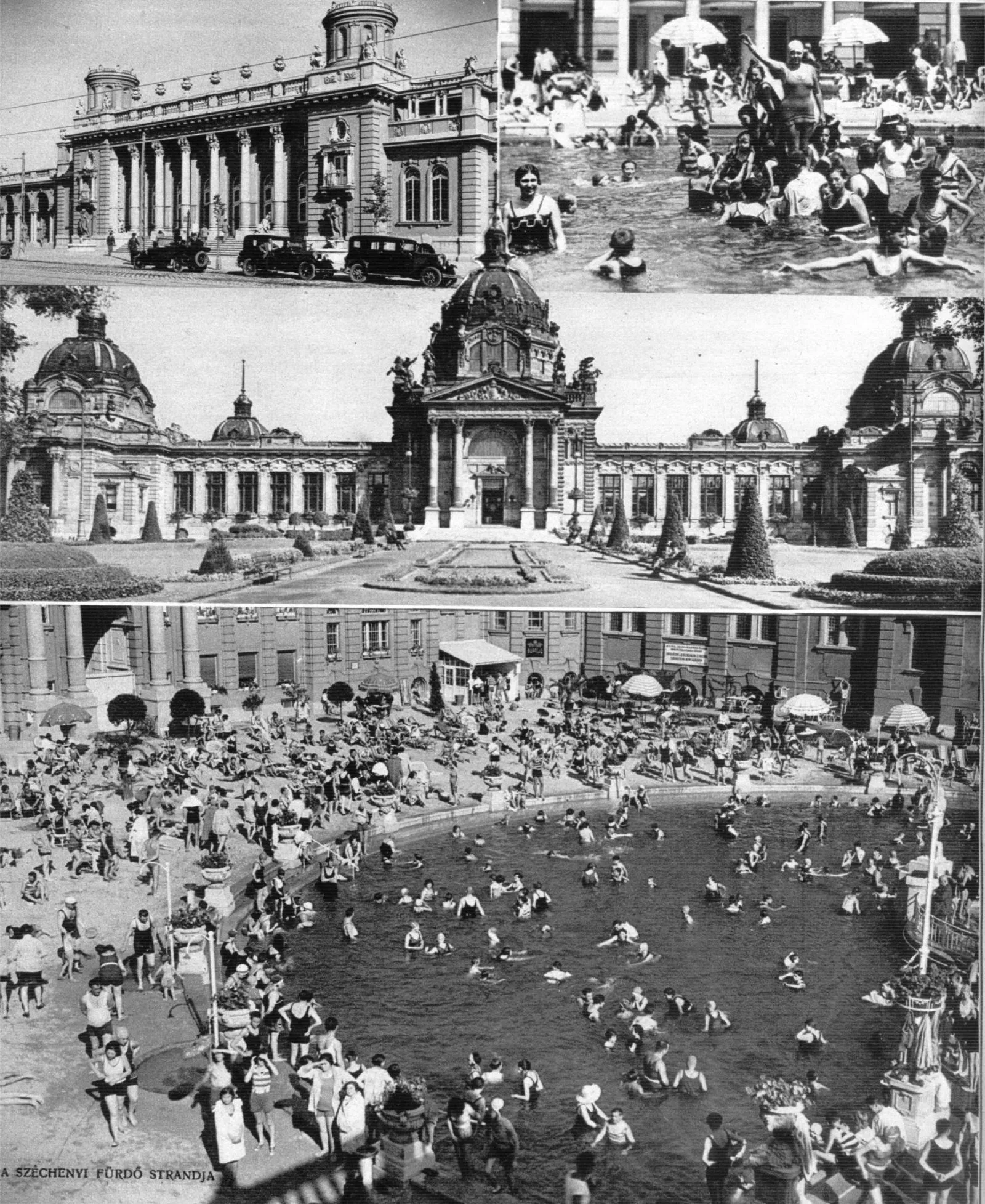
The iconic yellow neo‑baroque facade and courtyard arches create theatrical space—ornamented yet inviting.
Design balances grandeur with functional circulation: bathers flow between indoor halls, treatment zones, and open-air pools.
Growth and modernization
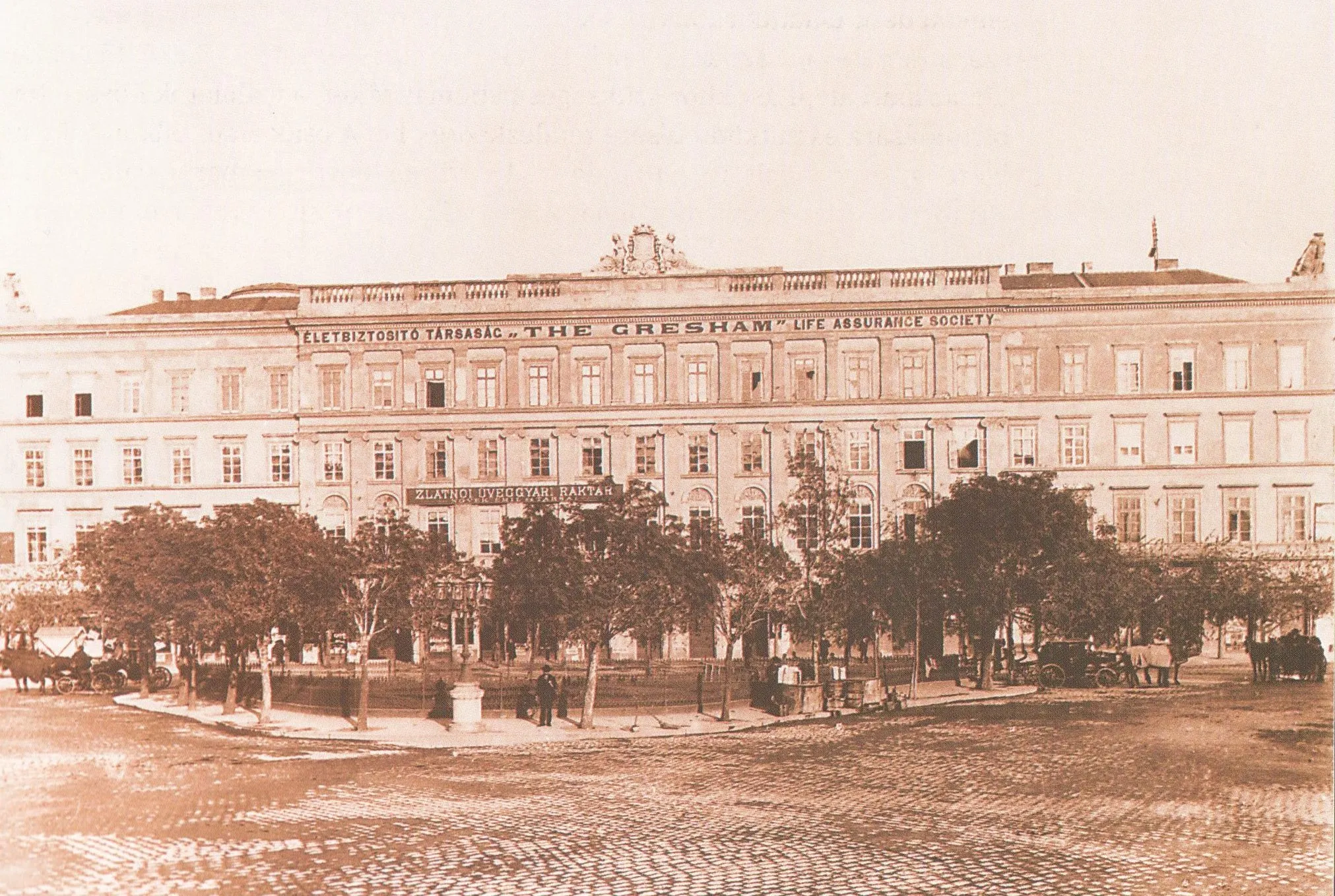
Over decades, facilities upgraded filtration, temperature regulation, and wellness services while preserving historic character.
Modern maintenance ensures clean mineral experience without sacrificing nostalgic ambience.
Public wellness traditions
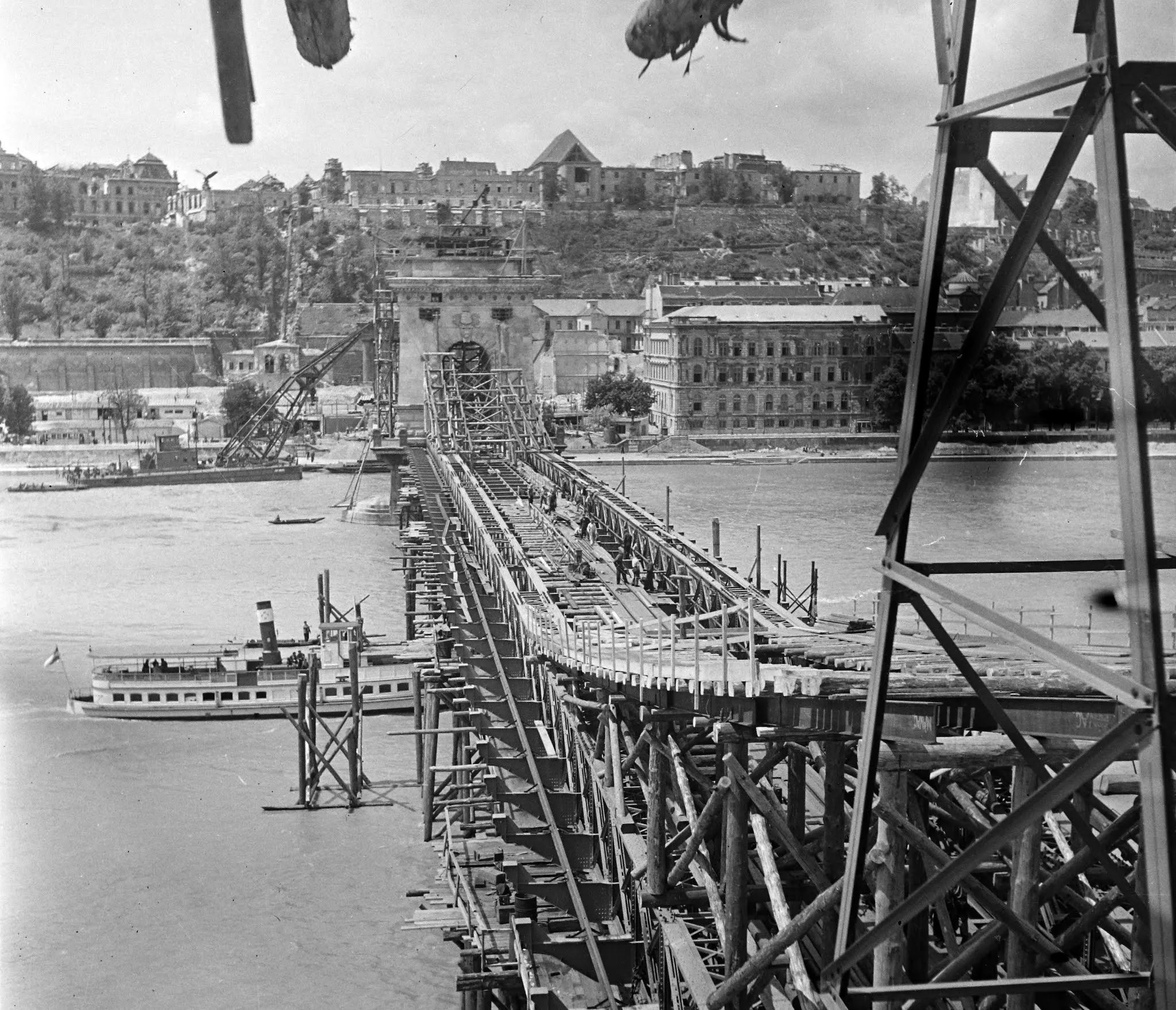
Locals socialize, play floating chess, and treat soaking as daily routine—community bonding in warm water.
Visitors join seamlessly—etiquette is simple: rinse briefly, move calmly, respect shared spaces.
Hydrotherapy & contemporary spa
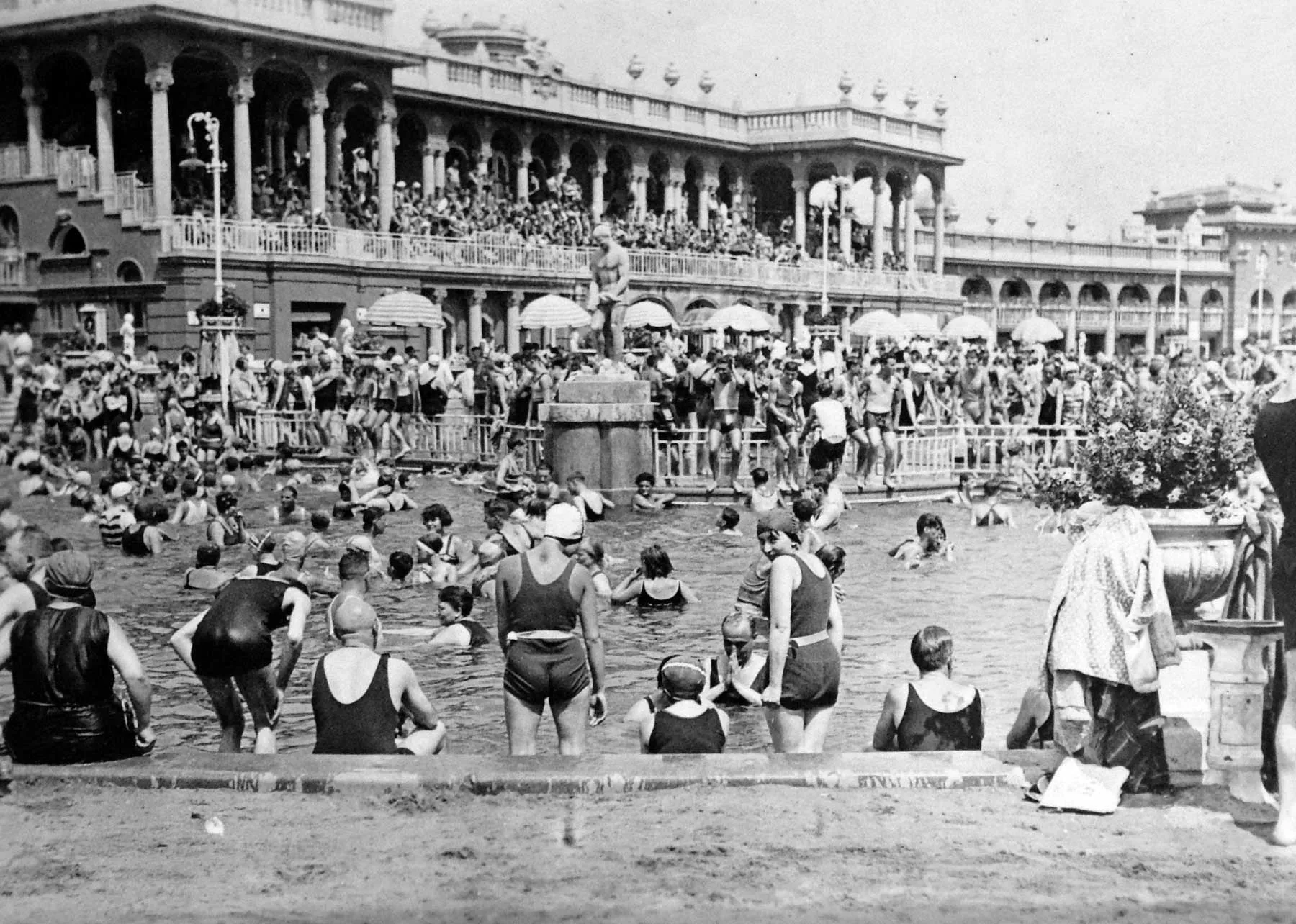
Therapeutic offerings—massages, balneotherapy, heat/cold cycles—blend traditional mineral bathing with modern wellness science.
Guests tailor routines: warm soak, sauna, cold plunge, rest, repeat—supporting recovery and relaxation.
Accessibility and guest comfort
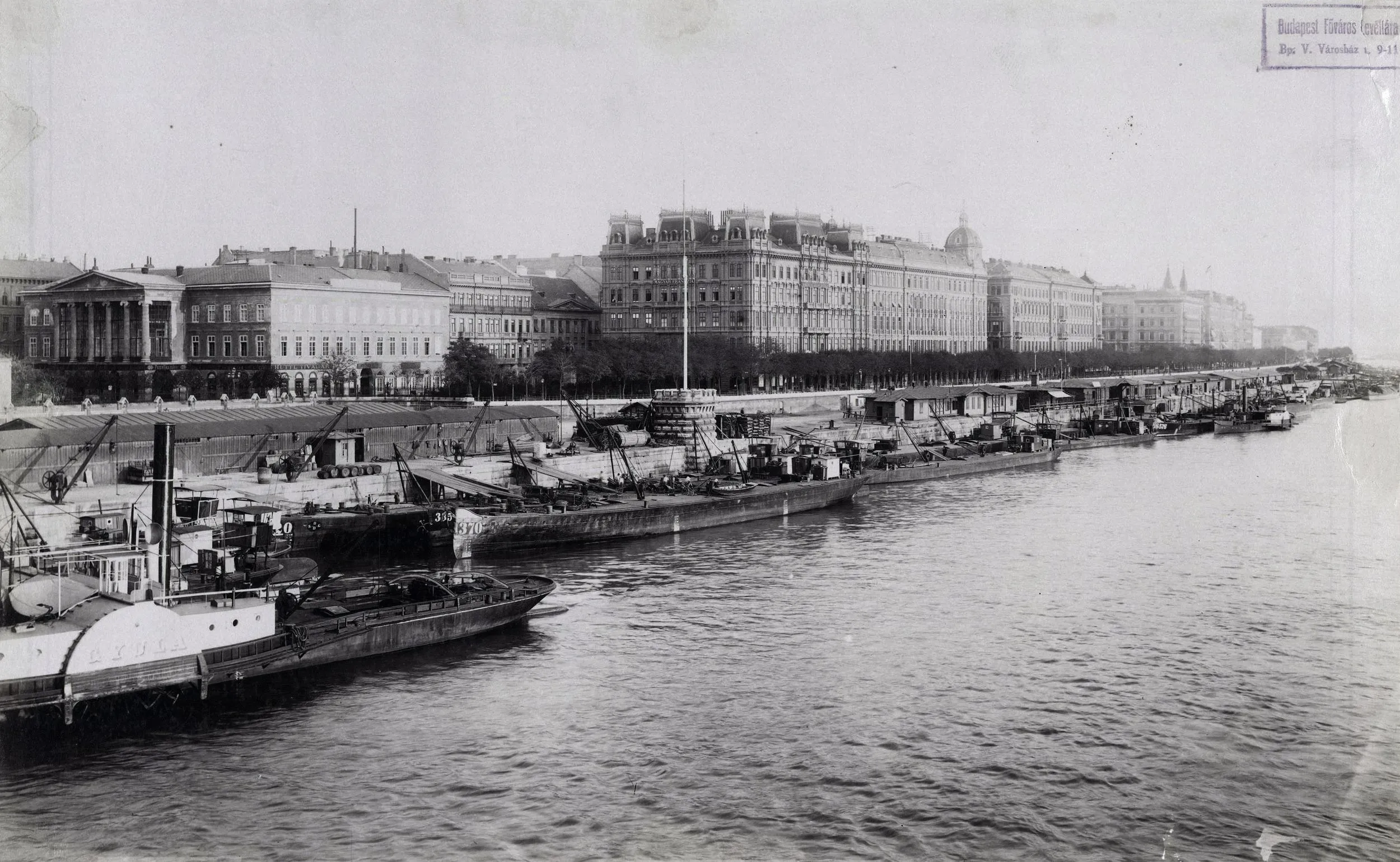
Ramps and designated changing solutions aim to welcome diverse mobility needs—staff assist when asked.
Temperature signage, hydration reminders, and seating zones help guests pace their spa session safely.
Sustainability & environmental stewardship
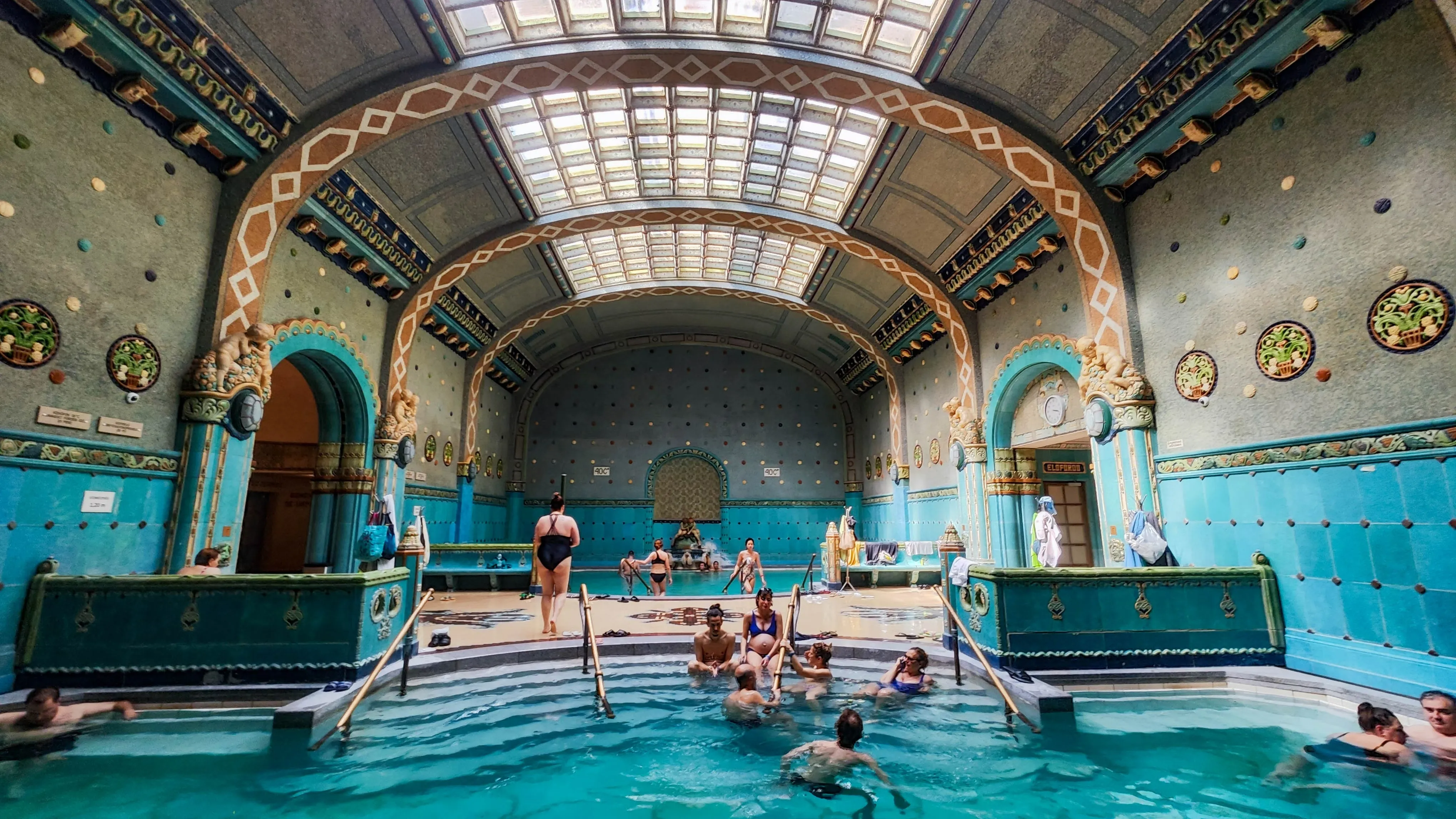
Geothermal sourcing reduces heating demands; ongoing efforts target efficient water management and responsible chemical use.
Preserving heritage while upgrading systems balances cultural legacy with ecological mindfulness.
Branding, rituals, and global appeal
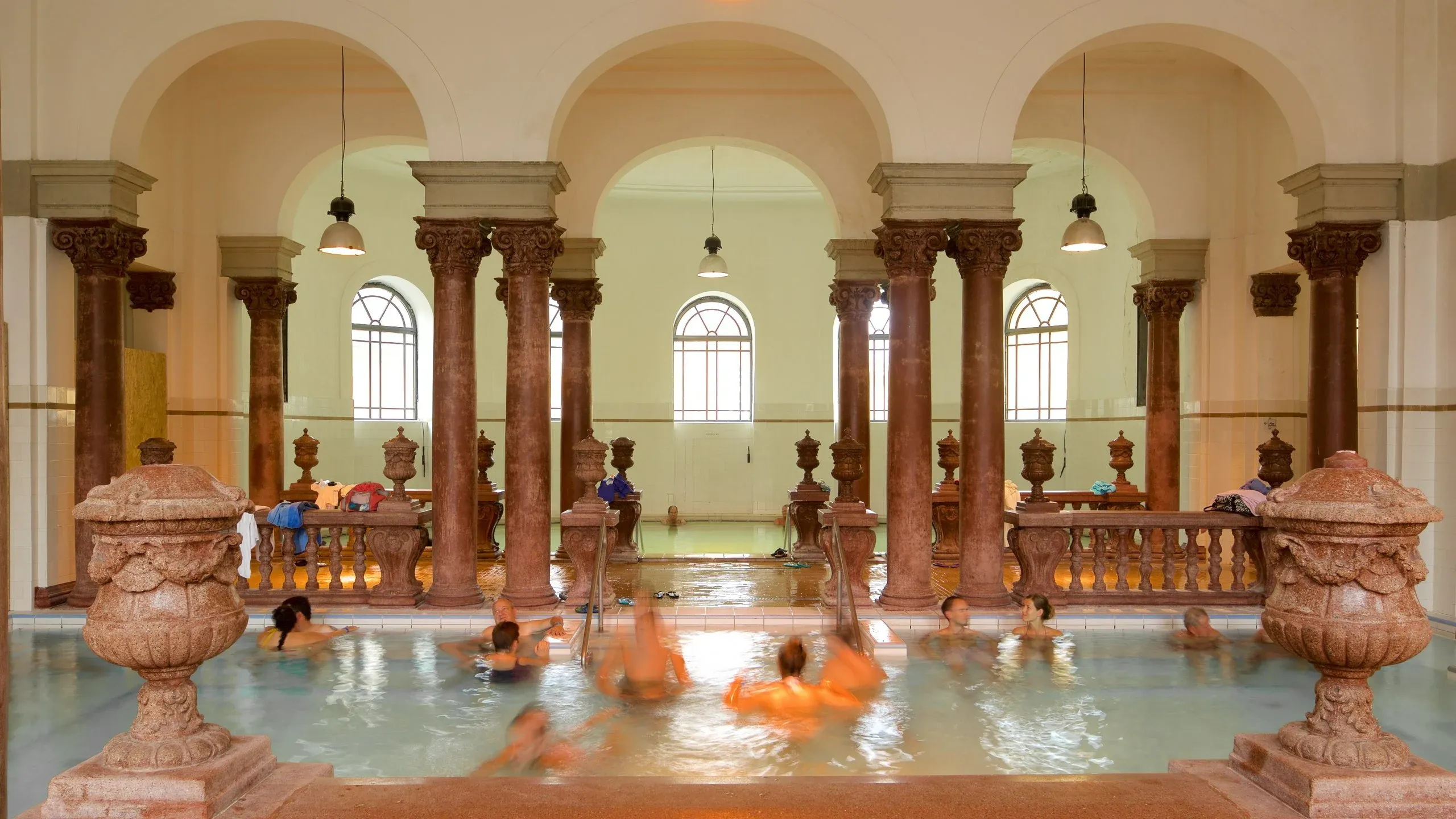
Széchenyi’s visual identity—yellow walls, steam clouds, chess boards—became a shorthand for Budapest wellness worldwide.
Traditions like morning senior soaks and leisurely multi‑hour visits reinforce authentic atmosphere.
Planning with heritage context
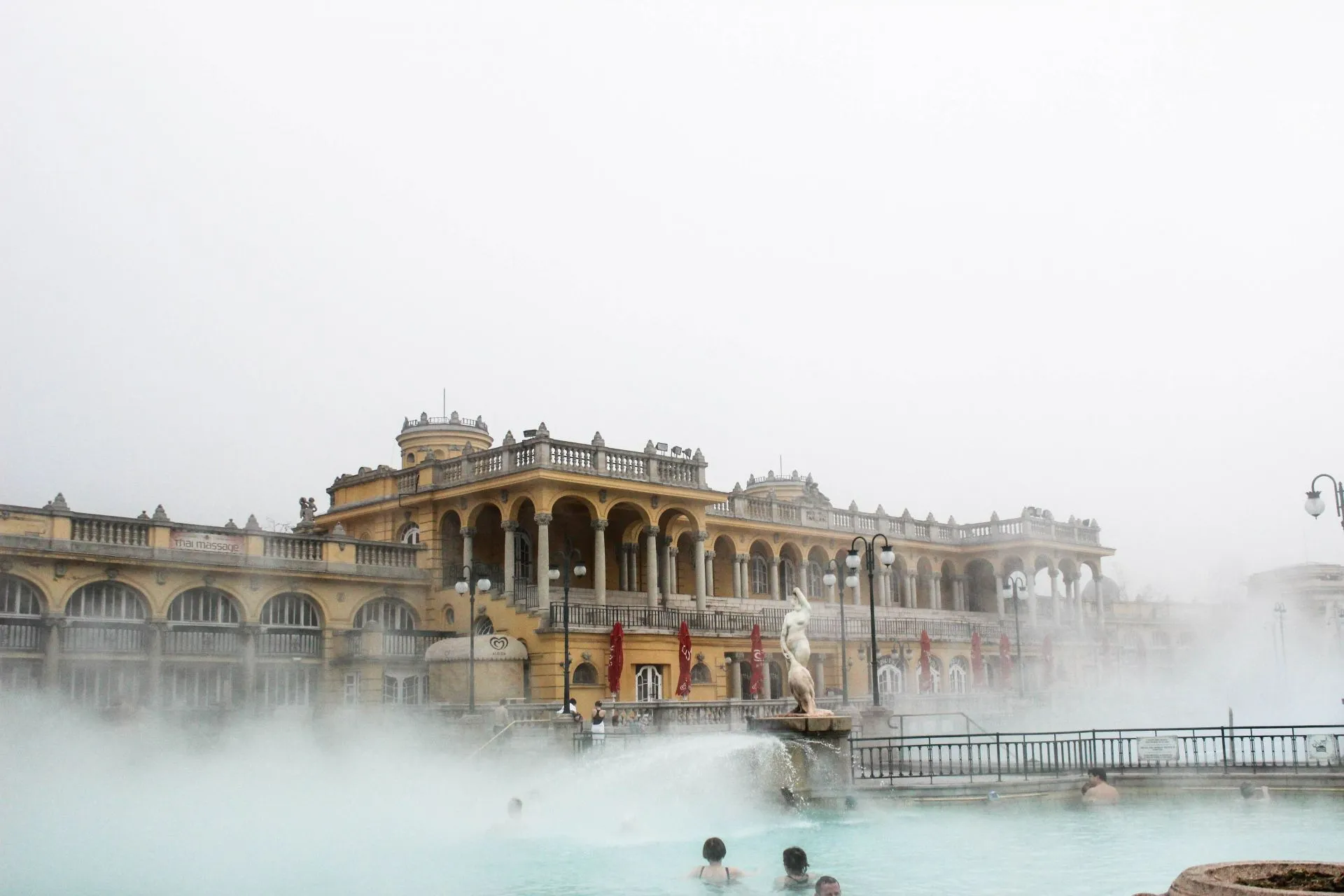
Balance historic appreciation with personal wellness—schedule time to wander indoor halls after outdoor soak.
Observe locals’ rhythm: alternating hot and cool cycles teaches patient, restorative pacing.
City Park’s supporting role
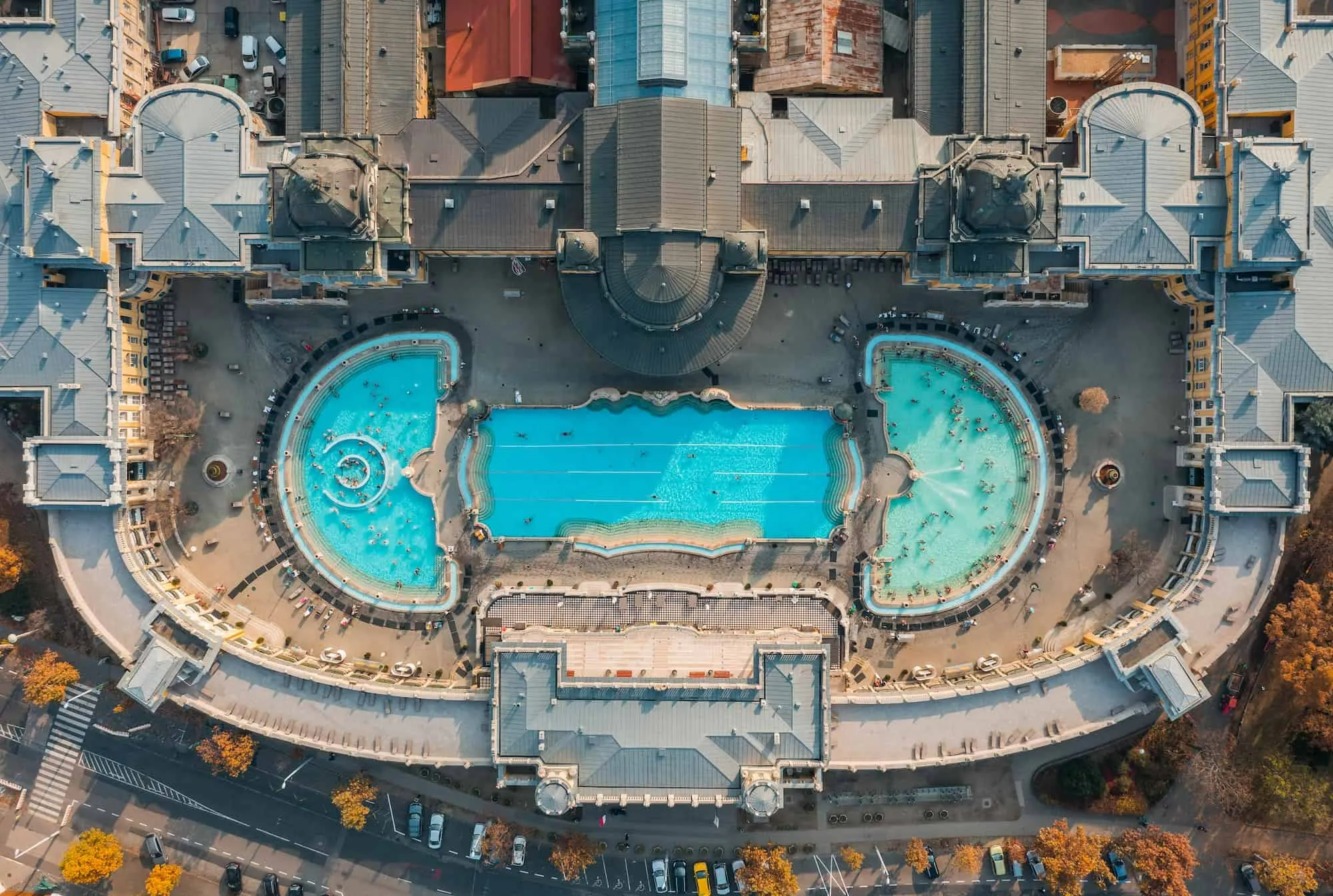
Városliget’s green setting enhances recovery—post‑soak walks, nearby cultural stops, gentle transitions back to city pace.
Park redevelopment aims to integrate heritage spas with broader leisure and cultural offerings.
Nearby cultural landmarks
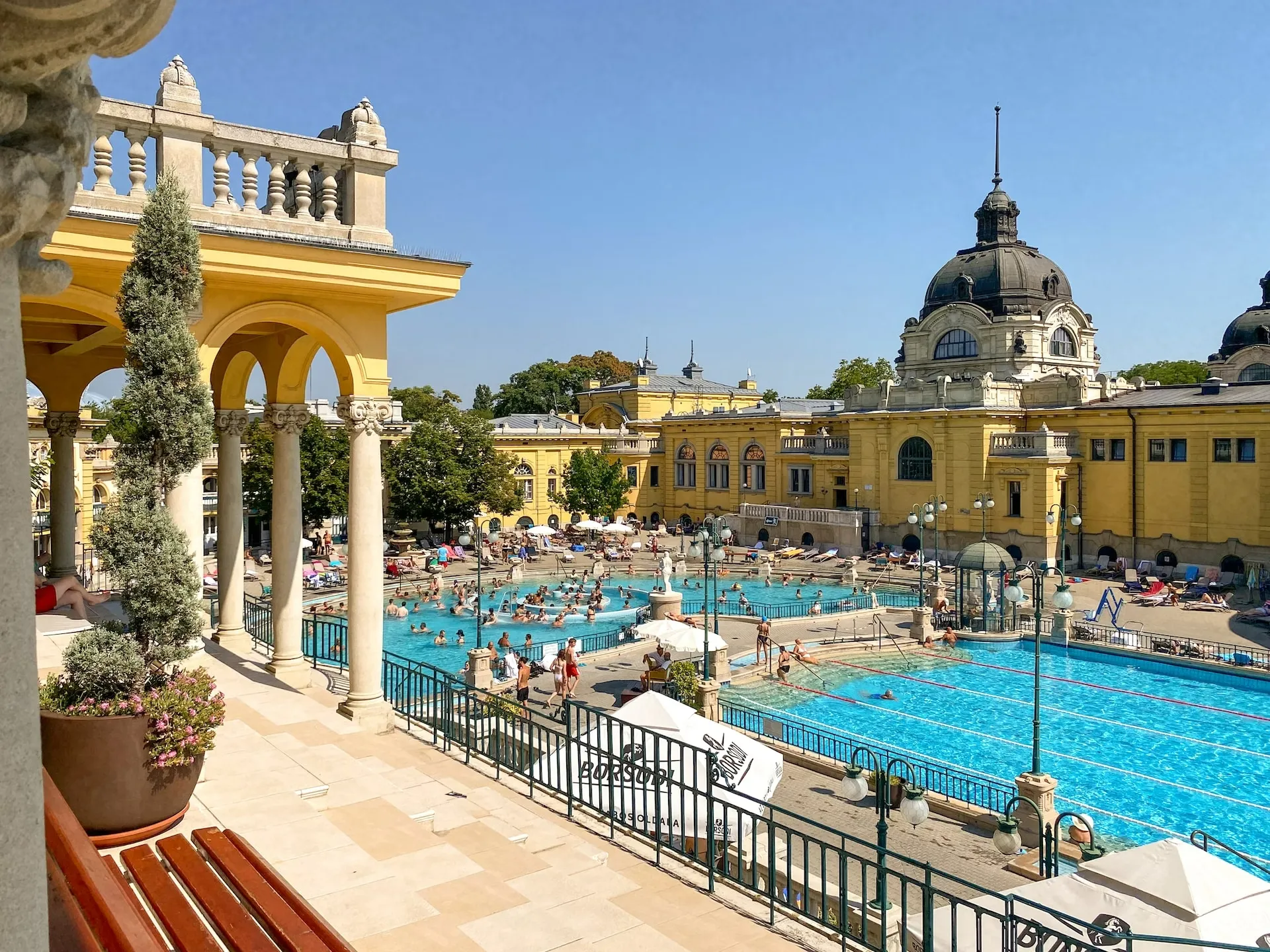
Heroes’ Square, Museum of Fine Arts, Vajdahunyad Castle, and the Budapest Zoo sit minutes away—ideal pre/post soak combos.
A thermal visit can anchor a full City Park day—art, architecture, nature, and water therapy in one loop.
Enduring legacy of thermal healing
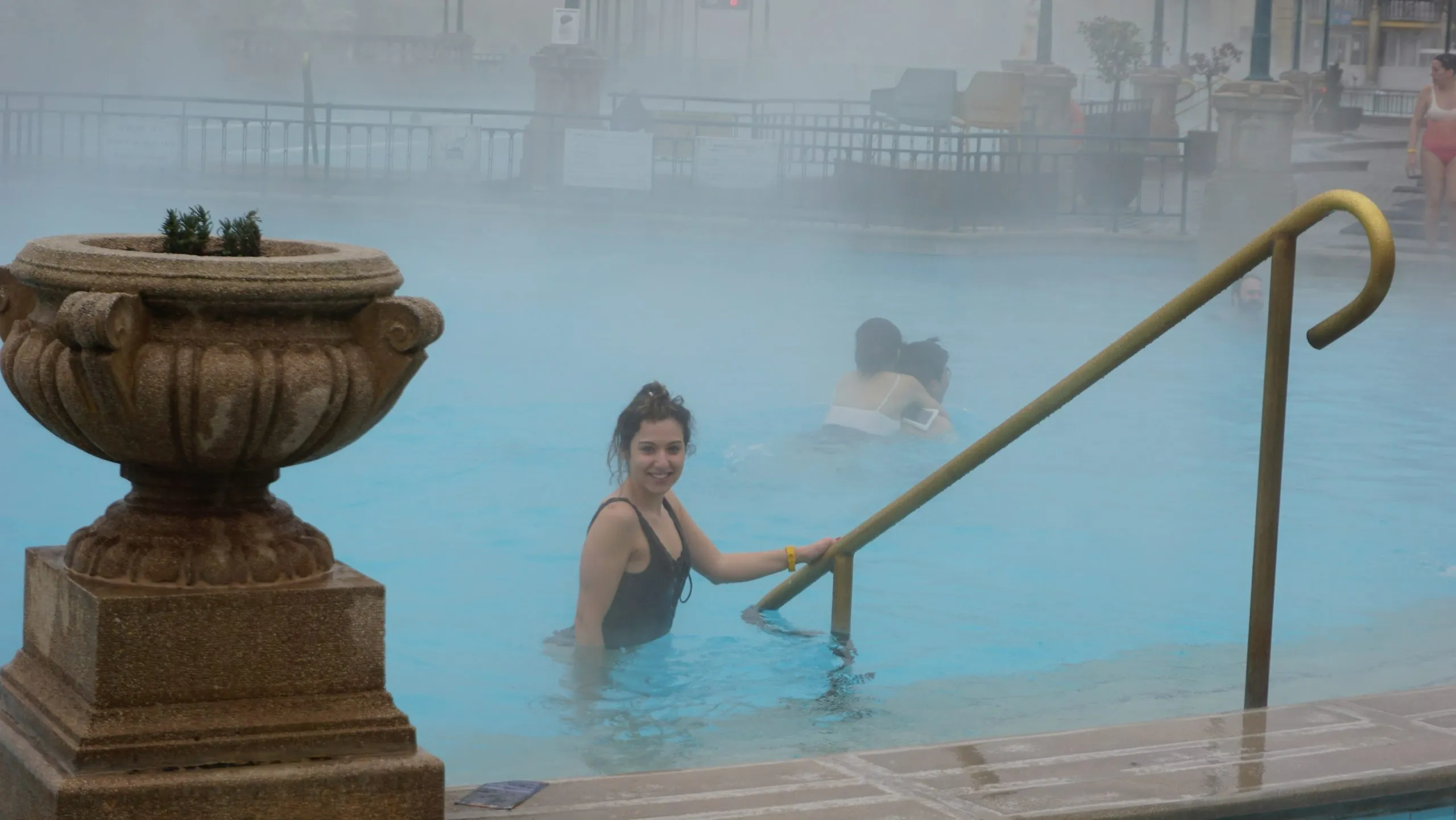
Széchenyi symbolizes Budapest’s embrace of water as communal medicine—a living tradition, not a museum piece.
Returning visitors find new rhythms of rest each trip—thermal culture evolves yet stays comfortingly familiar.
Table of Contents
Origins of Budapest bath culture
Budapest’s bathing heritage stretches back to Roman and Ottoman times—thermal waters long prized for relaxation and health.
Scientific analysis later confirmed mineral content beneficial for joints, circulation, and stress relief, cementing a civic spa identity.
Discovery of deep thermal springs
Early 20th century deep drilling tapped powerful thermal sources—warm, mineral-rich, consistent flow enabling large-scale bathing.
Reliable geothermal supply allowed Széchenyi to expand beyond modest pools into a grand, multi‑temperature complex.
Architecture & neo‑baroque design
The iconic yellow neo‑baroque facade and courtyard arches create theatrical space—ornamented yet inviting.
Design balances grandeur with functional circulation: bathers flow between indoor halls, treatment zones, and open-air pools.
Growth and modernization
Over decades, facilities upgraded filtration, temperature regulation, and wellness services while preserving historic character.
Modern maintenance ensures clean mineral experience without sacrificing nostalgic ambience.
Public wellness traditions
Locals socialize, play floating chess, and treat soaking as daily routine—community bonding in warm water.
Visitors join seamlessly—etiquette is simple: rinse briefly, move calmly, respect shared spaces.
Hydrotherapy & contemporary spa
Therapeutic offerings—massages, balneotherapy, heat/cold cycles—blend traditional mineral bathing with modern wellness science.
Guests tailor routines: warm soak, sauna, cold plunge, rest, repeat—supporting recovery and relaxation.
Accessibility and guest comfort
Ramps and designated changing solutions aim to welcome diverse mobility needs—staff assist when asked.
Temperature signage, hydration reminders, and seating zones help guests pace their spa session safely.
Sustainability & environmental stewardship
Geothermal sourcing reduces heating demands; ongoing efforts target efficient water management and responsible chemical use.
Preserving heritage while upgrading systems balances cultural legacy with ecological mindfulness.
Branding, rituals, and global appeal
Széchenyi’s visual identity—yellow walls, steam clouds, chess boards—became a shorthand for Budapest wellness worldwide.
Traditions like morning senior soaks and leisurely multi‑hour visits reinforce authentic atmosphere.
Planning with heritage context
Balance historic appreciation with personal wellness—schedule time to wander indoor halls after outdoor soak.
Observe locals’ rhythm: alternating hot and cool cycles teaches patient, restorative pacing.
City Park’s supporting role
Városliget’s green setting enhances recovery—post‑soak walks, nearby cultural stops, gentle transitions back to city pace.
Park redevelopment aims to integrate heritage spas with broader leisure and cultural offerings.
Nearby cultural landmarks
Heroes’ Square, Museum of Fine Arts, Vajdahunyad Castle, and the Budapest Zoo sit minutes away—ideal pre/post soak combos.
A thermal visit can anchor a full City Park day—art, architecture, nature, and water therapy in one loop.
Enduring legacy of thermal healing
Széchenyi symbolizes Budapest’s embrace of water as communal medicine—a living tradition, not a museum piece.
Returning visitors find new rhythms of rest each trip—thermal culture evolves yet stays comfortingly familiar.