BezoektijdenGesloten
|Dinsdag, oktober 6, 2026Állatkerti körút 9-11, 1146 Budapest, Hongarije (Stadspark / Városliget)
Terug naar history
architecture
Széchenyi Baths History – Architecture & Thermal Heritage
Explore the architectural and cultural history behind Budapest’s Széchenyi Baths, from spring discovery to modern era.
11/20/2025
15 min read
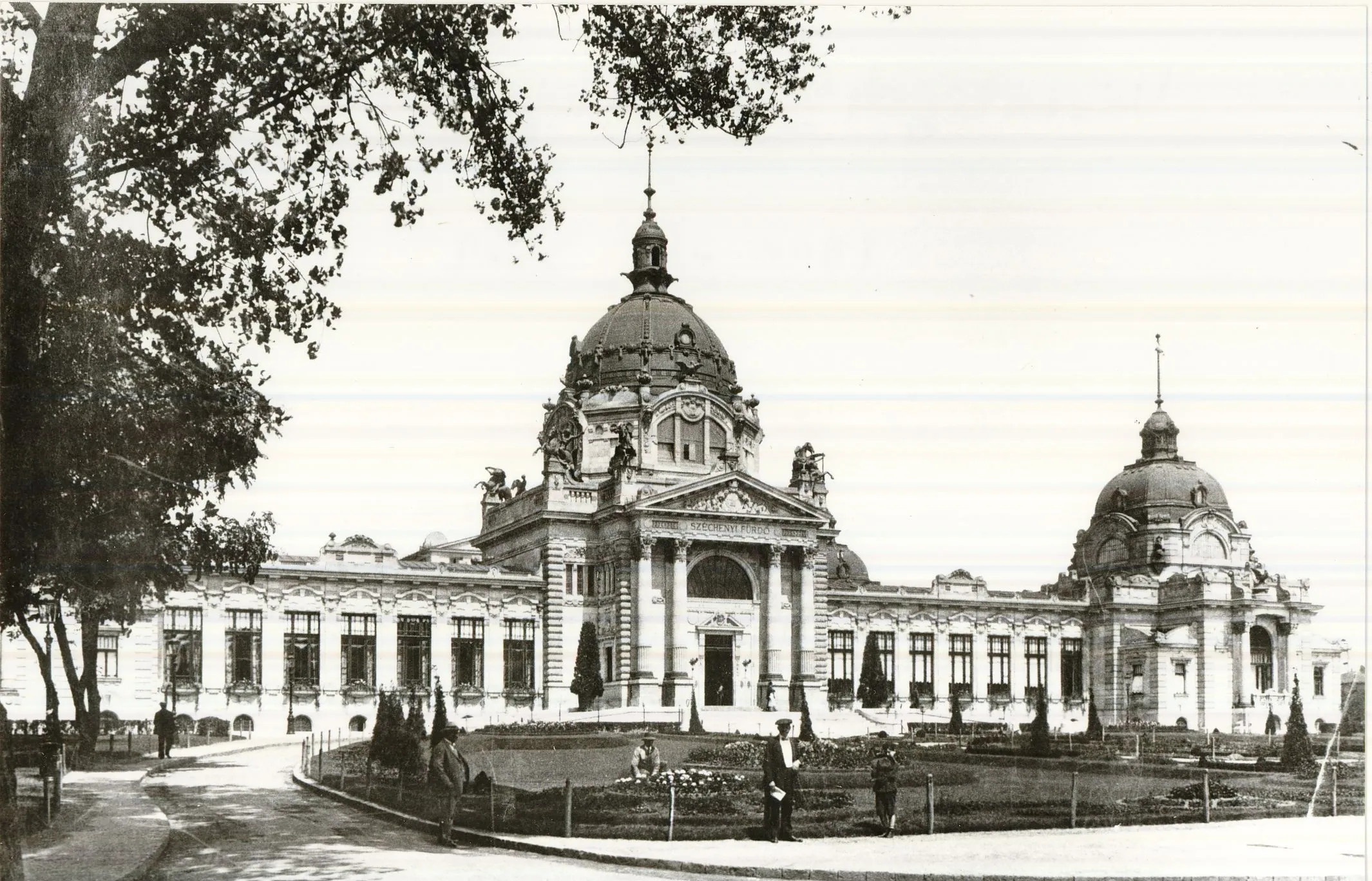
Timeline Highlights
| Year | Milestone | Significance |
|---|---|---|
| 1879–1900 | Deep drilling explores thermal source | Validates viability for large public complex |
| 1913 | Official opening | Neo-Baroque aesthetic celebrates civic pride |
| Interwar Period | Popularity growth, social gathering | Thermal bathing entwines with leisure culture |
| Socialist Era | Maintenance + utilitarian framing | Health + public welfare emphasis |
| Post-1990s | Renovations + tourism scaling | International branding elevates global profile |
Architectural Vocabulary
- Neo-Baroque curves & ornament: Evokes grandeur; statues & balustrades frame steam visuals.
- Symmetrical courtyard axis: Facilitates movement loops between pools.
- Yellow facade coloration: Warm tone contrasts with blue water and winter steam.
Why Neo-Baroque?
An aesthetic aligning with early 20th-century Budapest’s aspiration—marrying classical luxury with wellness democratization.
Thermal Source & Water Management
- Deep artesian wells tap mineral-rich water.
- Filtration + temperature balancing ensure user safety (verify on-site data for precise mineral composition—published analyses update periodically).
Cultural Role
- Social mixing zone: Locals, wellness seekers, photographers.
- Symbol of Hungary’s balneological tradition (alongside Gellért & Rudas).
Preservation & Modernization Tensions
| Aspect | Preservation Focus | Modern Adaptation |
|---|---|---|
| Facades & statues | Structural restoration | Lighting for night ambience |
| Water systems | Safety + clarity | Energy efficiency retrofits |
| User flow | Historic spatial logic | Digital ticketing overlays |
Responsible Visiting
- Respect quiet zones; not all areas are photo sets.
- Avoid touching fragile decorative elements.
- Consider early or shoulder-season visits to reduce pressure on infrastructure.
Bottom Line
Széchenyi is living heritage: ornamental architecture layered onto practical hydro engineering—still evolving while preserving Budapest’s thermal identity.
Over de auteur

Baths Heritage Researcher
Deze gids helpt je slim baden—tijd managen, juiste ticket kiezen en met vertrouwen wellness beslissen.
Tags
Szechenyi Baths
history
architecture
Neo-Baroque
Budapest
Comments (0)
Leave a Comment
Loading comments...